Black SVG Graphics for T-Shirt Designs & Local Branding
First Impression: Warm, Grounded, and Culturally Resonant
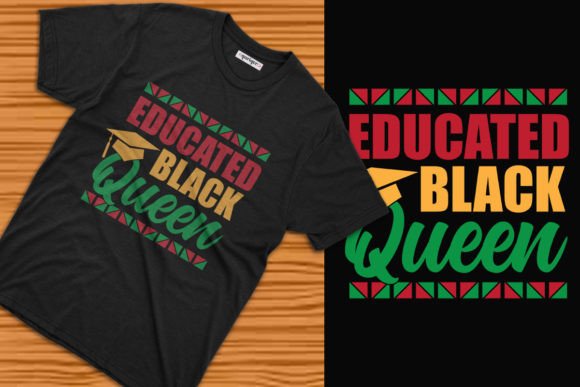
Opening the Black SVG, African American SVG file set, I immediately noticed the confident line work, intentional negative space, and thoughtful silhouette composition. This isn’t clipart—it’s a considered graphic design asset built for emotional resonance and visual clarity. For my current project—a neighborhood coffee shop launching a limited-edition “Heritage Blend” line—the mood it creates is warm, respectful, and quietly proud. It suggests a brand personality that’s community-rooted, culturally aware, and authentically local—not performative or decorative. It reads as modern but not sterile; bold but not aggressive; handmade-friendly without sacrificing polish. That balance makes it especially valuable for small business branding where authenticity and professionalism must coexist.
Where This SVG Design Earns Its Place in Real Local Business Use
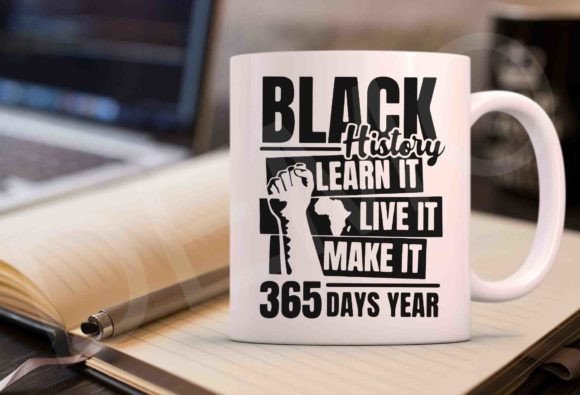
I’ve tested this Black SVG, African American SVG across multiple touchpoints for the coffee shop rollout—and it performs strongest where intention meets visibility. On product labels for 12oz whole-bean bags, it anchors the front panel with quiet authority beside the roast name and origin story. As a subtle watermark on thank-you cards tucked into takeout orders, it adds warmth without clutter. On seasonal packaging accents—think die-cut hang tags for gift boxes or foil-stamped elements on kraft paper sleeves—it elevates perceived value instantly. It also shines in social media graphics: layered over oat-milk latte flat lays or animated gently in Instagram Stories for Black History Month campaigns. As a hero graphic on the shop’s website banner or printed poster near the register, it reinforces brand identity without needing explanation. And yes—it works beautifully in T-shirt designs, especially on natural-fiber tees where the clean vector lines hold crispness through washes.
How It Strengthens Core Business Presentation
- Stronger first impression: Customers notice cohesion before they read a word—this SVG helps unify signage, packaging, and digital assets under one visual tone.
- Better product recognition: Repeated use across beans, mugs, and merch builds familiarity—shoppers begin to associate the motif with quality and care.
- Clearer visual hierarchy: When placed intentionally (e.g., above flavor descriptors on a label), it guides the eye without competing with essential info like net weight or roast date.
- More consistent brand identity: Whether used in Canva templates for weekly email headers or scaled for a window decal, the SVG maintains fidelity—no pixelation, no color shift.
- Improved customer trust: Thoughtful, respectful representation signals that the business values its community deeply—not just during February, but year-round.
Smart Placement: Where This Graphic Design Asset Delivers Maximum Impact
This African American SVG thrives in contexts where cultural resonance and visual rhythm matter most. It’s ideal for product mockups—especially for handmade soap bars, candle jars, or children’s product packaging where soft symbolism supports storytelling. It enhances boutique visuals: think embroidered patches on aprons, minimalist hang tags for vintage clothing racks, or embossed details on greeting card suites. As decorative brand elements—border motifs on printable inserts, corner flourishes on menu graphics, or background textures for flyers—it adds depth without overwhelming. For seasonal campaign visuals (Black History Month, Juneteenth, or community appreciation weeks), it provides immediate thematic grounding while remaining versatile enough for year-round reuse in refined ways.
Cautions for Practical Small Business Use
Like any strong SVG design, this asset demands context-aware application. Avoid using it in formal corporate branding—say, for a law firm’s letterhead—where tonal mismatch could dilute credibility. Don’t force it onto very small labels (under 1.5” width) where fine detail blurs or meaning flattens. Steer clear when layering over ingredient-heavy layouts (e.g., food labels packed with allergen statements)—it shouldn’t distract from compliance-critical text. Skip low-contrast backgrounds (like charcoal gray on black) unless you’ve verified legibility in print proofs. And if your brand leans into luxury minimalism—clean sans-serif typography, generous whitespace, monochrome palette—this Black History SVG may feel too expressive unless edited down to its most essential contour.
Brand Designer Notes You’ll Actually Use
- Test it on real packaging mockups—not just screen previews—to assess scale, proportion, and contrast against your substrate (kraft paper, matte sticker stock, ceramic mug glaze).
- Check black-and-white usage: Does the silhouette retain impact when printed in single-color ink? (Spoiler: This one does.)
- Preview it on small labels at actual size—zoom in on PNG transparency edges and inspect SVG path smoothness.
- Test it with your full brand palette: Does it harmonize with your primary color, secondary accent, and neutral tones—or clash unexpectedly?
- Compare side-by-side with competitor packaging: Does it help your product stand out on shelf or blend in?
- Review print quality at 300dpi output—especially if using for brochures or posters.
- Inspect vector editability: Can you easily isolate elements (e.g., remove a decorative flourish) without breaking paths?
- Test it beside serif, sans serif, script, handwritten, and display fonts—does it support your typographic voice or fight it?
- Confirm commercial licensing: This is a digital product sold via creative marketplace—but verify it permits physical product sales, client work, and resale in your region before finalizing.
For local business owners, handmade sellers, and creative entrepreneurs building real brands—not just aesthetics—this Black SVG, African American SVG is more than decoration. It’s a tool for connection, consistency, and quiet confidence. Used with purpose, it strengthens packaging design, deepens customer trust, and turns everyday marketing visuals into meaningful moments. Just remember: the best graphics don’t shout—they resonate. And this one does.