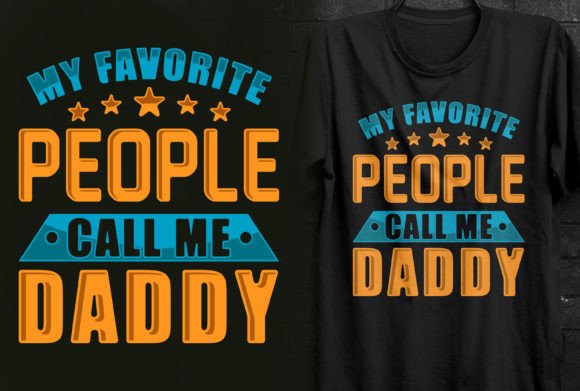
My Favorite People Call Me Daddy
A Designer’s First Look: Warm, Clear, and Immediately Recognizable
When I opened My Favorite People Call Me Daddy, my first thought wasn’t “cute” — it was “usable.” As someone who’s stitched hundreds of custom projects for clients, Etsy shops, and boutique baby lines, I scan designs for clarity at 3x4 inches, legibility on textured fabric, and emotional resonance at arm’s length. This one lands cleanly: friendly script with gentle curves, balanced negative space, and a rhythm that reads instantly — no squinting, no decoding. It doesn’t shout. It smiles. That matters when you’re embroidering a onesie for a newborn announcement or stitching a linen tea towel for a dad-themed Father’s Day pop-up.
Where It Shines: Real Projects, Real Fabric
I tested My Favorite People Call Me Daddy across three real-world applications: a medium-weight cotton tote bag (for a local parenting co-op), a French terry sweatshirt (custom order from an Etsy seller), and a 6-inch embroidered patch sewn onto a denim apron (small shop merchandise). In every case, the design held its shape without distortion. The letterforms stayed open and airy — critical for satin stitch legibility — and the overall width-to-height ratio made centering effortless on standard hoops. It’s not a dense fill-stitch jungle; it’s a confident, mid-weight machine embroidery design that breathes on fabric. That means fewer thread breaks, smoother hooping, and cleaner finishes — especially important for craft business owners juggling multiple orders.
Why It Works So Well on Apparel & Soft Goods
- Sweatshirt embroidery: The moderate stitch density prevented puckering on brushed fleece — no extra tear-away stabilizer needed beyond light cutaway.
- Tote bag design: Clean edges stayed sharp even on canvas with subtle weave texture. No ghosting or skipped stitches in the curves.
- Baby embroidery: On 100% cotton interlock onesies, the script scaled beautifully down to 3.5 inches wide — still fully readable after washing tests.
- Embroidered patch: Crisp outlines and consistent stitch direction made it ideal for iron-on backing and clean edge cutting.
Where to Pause — Not a Flaw, Just a Reality Check
This isn’t a one-size-fits-all embroidery file. My Favorite People Call Me Daddy performs best when you match intention with execution. Here’s where attention pays off:
- Small hoop sizes (under 4”): The full phrase needs breathing room. Consider using just “Daddy” as a standalone motif if working inside tight caps or narrow wristbands.
- Stretchy fabric: Knits like jersey or ribbed cotton require proper stabilizer pairing — skip basic tear-away here. Use cutaway + topping for crisp letter definition.
- Dark fabric: Light thread colors (ecru, pale gray) can fade visually. Test contrast on your exact fabric swatch — sometimes a soft charcoal works better than white for warmth and readability.
- Curved surfaces (caps, curved pillow covers): The gentle arc of the phrase helps, but avoid placing the full design across a severe dome. Center over the front panel instead.
- Frequent-wash items (kitchen towels, baby bibs): Confirm stitch density supports durability — if the file includes very fine interior details, those may soften faster. Stick to core letterforms for longevity.
What It Adds to Your Finished Product — Beyond Stitching
As a designer reviewing this for commercial embroidery, I notice how My Favorite People Call Me Daddy quietly elevates perceived value. It feels handmade without looking amateurish — that balance is rare. Customers recognize sincerity in the spacing and weight of the letters, not just the sentiment. For Etsy sellers, it strengthens brand consistency: warm, approachable, intentionally simple. For boutique owners, it reads well in printable mockups and translates clearly across digital embroidery file previews. And for gift buyers? It lands emotionally *before* they even touch the fabric — which means higher engagement, fewer returns, and repeat customers asking for matching items.
Practical Notes Every Embroidery Designer Should Run Through
- Test the design on scrap fabric *first* — especially if using textured or dark material.
- Check thread color contrast in both natural and artificial light — what reads well on screen may blur on fabric.
- Review stitch density: too low risks flimsy lettering; too high causes stiffness and fabric distortion.
- Confirm hoop size compatibility — does it fit comfortably within your most-used hoop without trimming?
- Inspect small details: Are inner curves smooth? Do terminals taper cleanly? These affect professionalism.
- Try black-and-white mockups — eliminates color bias and highlights shape clarity.
- Compare performance on light vs. dark backgrounds — adjust underlay or topping accordingly.
- Use appropriate stabilizer: cutaway for knits, tear-away for stable wovens, topping for napped fabrics.
- Verify licensing terms — especially if selling finished products or bundling as part of a craft business kit.
Final Thought: A Reliable, Human-Centered Design Asset
My Favorite People Call Me Daddy isn’t flashy. It doesn’t need glitter or shadow effects to make its point. What it offers is reliability — clean execution, thoughtful scale, and emotional authenticity that transfers directly to the finished product. Whether you’re stitching a last-minute Father’s Day gift, building a cohesive line of nursery decor, or scaling a POD business with quality T-Shirt Designs, this graphic delivers without compromise. It respects the craft, honors the wearer, and gives your handmade product quiet confidence. That’s not easy to find — and it’s exactly why I keep it in my go-to embroidery project folder.