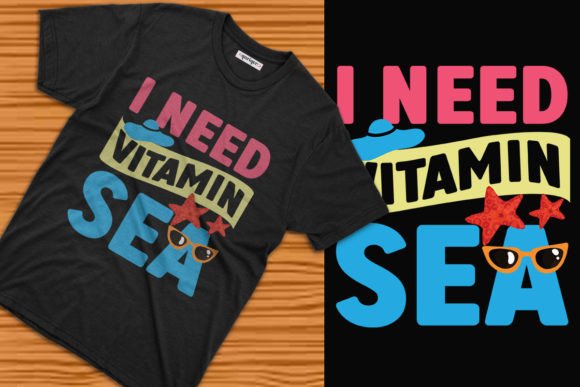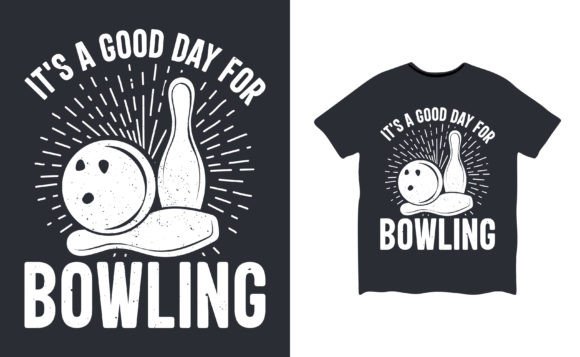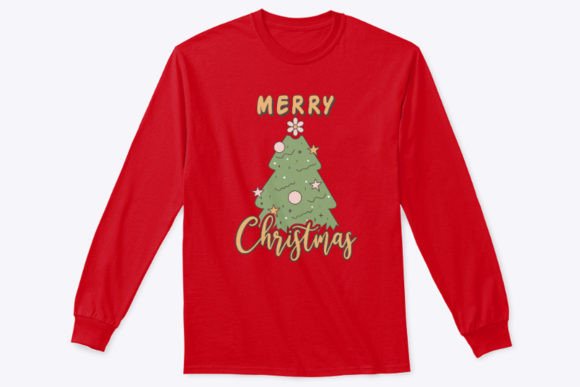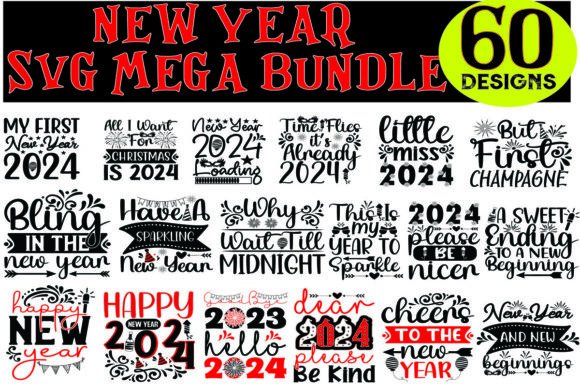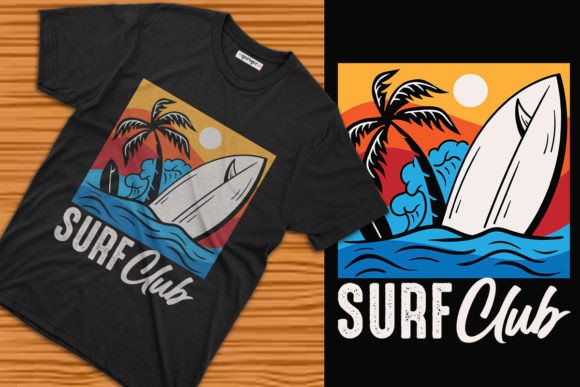
Summer Surf Club T-shirt Design
A Designer’s First Look: Bright, Bold, and Built for Summer—But Does It Stitch Well?
As an embroidery designer who’s stitched over 300 custom projects—from boutique baby onesies to Etsy best-selling tote bags—I opened Summer Surf Club T-shirt Design expecting sunshine and surf vibes. What I got was a clean, confident typographic layout with subtle wave motifs tucked into letterforms and a relaxed, hand-drawn rhythm. It doesn’t scream “beach party”—it whispers “coastal cool,” which is exactly why it works so well for small-batch apparel and handmade gifts.
Real-World Test: Embroidering It on a Linen-Cotton Apron for a Local Café Pop-Up
Last week, I used Summer Surf Club T-shirt Design on a natural linen-cotton apron for a seaside café’s staff launch. No print, no transfer—just direct machine embroidery. The design scaled cleanly at 4.2” wide, centered above the pocket. Its open letter spacing and moderate stroke weight held up beautifully in satin stitch, with no thread nesting or puckering—even without heavy cutaway stabilizer (though I did use medium-weight tear-away + light spray adhesive). Customers loved how legible and cheerful it looked mid-shift—not too loud, not too quiet. That’s the sweet spot: a machine embroidery design that feels intentional, not automated.
Where It Shines—and Where It Needs Extra Care
Summer Surf Club T-shirt Design thrives in contexts where clarity meets character:
- Custom apparel: Works exceptionally well on crewneck sweatshirts and structured cotton tees—especially when paired with tonal thread (e.g., navy thread on indigo fabric).
- Tote bag design: Its horizontal flow fills the front panel naturally, avoiding awkward truncation or distortion.
- Embroidered patch: Clean outlines and minimal interior detail make it ideal for sew-on or iron-on patches—no dense fill stitch to stiffen the backing.
- Baby embroidery: Softened with pastel thread on organic cotton onesies, it reads as playful but never cutesy—a win for modern nursery decor or gender-neutral baby shower gifts.
- Holiday embroidery: Surprisingly effective for summer solstice events, coastal weddings, or Fourth of July markets—its vibe is celebratory without being seasonal-trapped.
That said, proceed thoughtfully with:
- Small hoop sizes: Below 3.5” wide, some letter connections (like the curve between “S” and “U”) may lose definition—test before committing to 2.75” caps or baby hats.
- Textured fabrics: On bouclé knits or heavy terry cloth, reduce stitch density slightly or add a layer of topping stabilizer to keep text crisp.
- Stretchy fabric: Not ideal for raw-edge knit tees unless stabilized with cutaway + basting grid—letterforms can skew under tension.
- Dark fabric: The design relies on contrast, so avoid low-contrast thread (e.g., charcoal on black). Opt for bright white, seafoam, or coral for visibility and lift.
- Curved surfaces: On structured caps or curved pillow covers, consider slight manual digitizing tweaks—especially to the baseline—to prevent letter compression.
What It Adds to Your Finished Product—Beyond Aesthetics
Summer Surf Club T-shirt Design quietly elevates perceived value. It doesn’t look like a stock graphic—it looks like something you’d commission from a local designer. That builds trust with buyers browsing your Etsy shop or craft fair table. For a handmade product, that authenticity translates directly to willingness to pay a premium. As a digital embroidery file, it also supports strong brand consistency: whether you’re embroidering matching staff aprons, guest towels, and takeout totes for a beachside bakery, the motif ties everything together without repeating identically.
It also performs well in digital previews. I dropped it into printable mockups on light and dark fabric backgrounds—and unlike many trendy typography designs, it retained readability in both. That’s rare. Most fail on black; this one sings in white thread. Bonus: its simplicity means it converts cleanly to black-and-white line art for laser-cut wood signs or vinyl stencils—expanding your design assets beyond embroidery alone.
Practical Notes Every Embroidery Designer Should Check
Before stitching your first finished product, do these five things:
- Test on scrap fabric—same fiber content and weight as your final piece. Watch for thread breaks in tight curves and check how the bottom layer anchors.
- Review stitch density. If your machine struggles with dense satin columns, simplify inner loops or adjust underlay settings—this design has room to breathe.
- Confirm hoop size compatibility. While it fits standard 4×4 hoops comfortably, verify your commercial embroidery machine’s maximum width if scaling for larger tote bags or blankets.
- Inspect small details—especially the wave accents inside letters. They’re subtle, but if digitized poorly, they’ll vanish on thin fabric or get lost in wash cycles.
- Check licensing. Since the description says “for your print-on-demand business and personal use,” confirm whether resale of physical embroidered items is permitted—and whether derivative works (like re-digitized versions) are allowed. When in doubt, reach out to the creator.
Final Thought: A Reliable, Refreshing Anchor in Your Design Library
Summer Surf Club T-shirt Design isn’t flashy—but it’s dependable. It’s the kind of graphics asset that earns repeat use across seasons, not just summer. I’ve already added it to my go-to folder for client projects involving coastal branding, small-batch merchandise, and personalized gifts where personality matters more than polish. It’s proof that thoughtful typography—paired with embroidery-aware spacing and rhythm—can carry more warmth than any clipart palm tree.
If you sell T-Shirt Designs digitally or stitch them onto real-world goods, this one earns shelf space. Just remember: even the sunniest surf club needs solid stabilizer, smart thread choices, and a little testing before riding the wave.