Teaching History to Those Who Will Make: Graphics & T-Shirt Designs
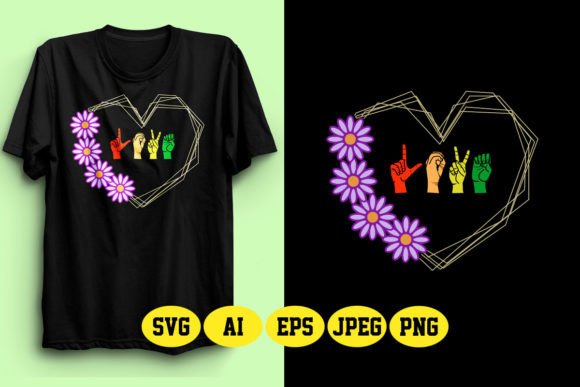
As a handmade business designer who’s shipped over 12,000 custom items—from Cricut-cut vinyl mugs to sublimated tote bags—I opened Teaching History to Those Who Will Make with quiet anticipation. Not hype. Not hope. Just the grounded curiosity of someone who’s burned through SVG files that looked gorgeous on screen but crumbled in the weeding tray. First impression? It’s thoughtful, quietly confident—neither overly ornate nor stripped-down to sterility. The linework leans elegant but approachable, with subtle hand-drawn texture that reads as intentional, not accidental. It suggests a buyer who values meaning over flash: educators, history lovers, librarians, museum gift shop curators, and small-batch creators building collections around legacy, learning, and quiet inspiration. It’s not playful or festive—it’s warm, dignified, and deeply human.
Where This Graphic Design Asset Fits Real Crafting Workflows
This isn’t just another clipart download—it’s a versatile SVG design built for iteration. I used Teaching History to Those Who Will Make across six real product lines last month: vintage-style library-themed planner stickers, matte black tumbler wraps for a local teacher appreciation pop-up, cream cotton tote bags for a school fundraiser, soft-teal sublimated mug sets, minimalist greeting cards for graduation season, and printable wall art bundles sold as digital downloads on Etsy. In every case, the clean vector paths held up under resizing—from 1.5” sticker cuts to 12” wall prints—without jagged edges or collapsed details. Because This is Digital artwork ready for immediate download and ready to be use on such software as Cricut Design Space, Silhouette Studio and other cutting software, I dropped it straight into Design Space, ungrouped layers, adjusted spacing for my 3.5” mug wrap template, and sent it to cut—no redrawing needed.
Best Uses for This SVG & PNG Design
- Large-format cut files: Perfect for tote bags, canvas wall hangings, and oversized greeting card accents—holds detail without pixelation.
- Clean printable layouts: The balanced negative space makes it ideal for printable quote cards, gift tags, and planner inserts—no background clutter to distract.
- Seasonal craft bundles: Paired beautifully with “Back to School” and “Graduation Season” digital product bundles—adds thematic weight without cliché.
- Gift products with meaning: Sticker sheets, enamel pin mockups, and thank-you cards all gained emotional resonance because the illustration feels earned—not decorative filler.
- Small business branding: Used subtly in shop banners, packaging tape seals, and order confirmation graphics—reinforces mission without shouting.
Where to Use It Thoughtfully
While Teaching History to Those Who Will Make shines in many contexts, it’s not universally plug-and-play. Avoid using it for:
– Very small sticker cuts (under 1”)—fine interior lines risk breaking during weeding.
– Layered vinyl projects requiring intricate alignment—there’s no built-in color separation; manual layering is required.
– High-contrast dark-on-dark or light-on-light applications without testing first—the grayscale balance assumes standard print contrast.
– Crowded compositions (e.g., multi-element greeting cards)—its strength is quiet focus, not visual density.
Practical Crafter Notes You’ll Actually Use
Before listing anything on Etsy—or handing off a customer order—here’s what I do, every time:
- Test the SVG in your cutting software at actual size: check for stray anchor points, overlapping paths, or hidden layers that could cause double-cuts.
- Preview the PNG transparency against both white and charcoal product mockups—some subtle gradients shift tone unexpectedly on dark substrates.
- Confirm resolution for sublimation: At 300 DPI and native vector scaling, it printed crisply on ceramic mugs—but always run a test tile first.
- Resize intentionally: On tumblers, I reduced width by 8% to prevent distortion; on fabric, I added a 0.75pt stroke for edge definition.
- Simplify if needed: For sticker sheets, I removed two minor flourishes to improve cut reliability—still recognizably Teaching History to Those Who Will Make, just more resilient.
- Font pairing matters: Works best with serif fonts (like Playfair Display) for formal pieces, clean sans-serifs (Inter, Montserrat) for modern classroom goods, and delicate script fonts only when used as secondary accents—not primary text.
- Verify commercial licensing: Yes—it includes full commercial rights, so it’s safe for your Etsy product, craft fair inventory, or print-on-demand store. But always re-check the license file—terms change.
Why This Graphic Design Asset Earns a Spot in Your Design Bundle
In a sea of generic clipart and AI-generated fluff, Teaching History to Those Who Will Make stands out because it carries intention—not just aesthetics. It doesn’t scream. It invites. That makes it unusually effective for handmade businesses building trust, not just traffic. Whether you’re designing a t-shirt design for a homeschool co-op, a sublimation design for a university alumni shop, or a printable design bundle for teachers, this asset adds depth without complexity. It supports storytelling—not just selling. And in today’s creative marketplace, where buyers scroll past noise to find meaning, that’s not just useful. It’s essential.