Web Developer Tee Design Template
A Designer’s First Look: Clean, Clever, and Built for Real Stitching
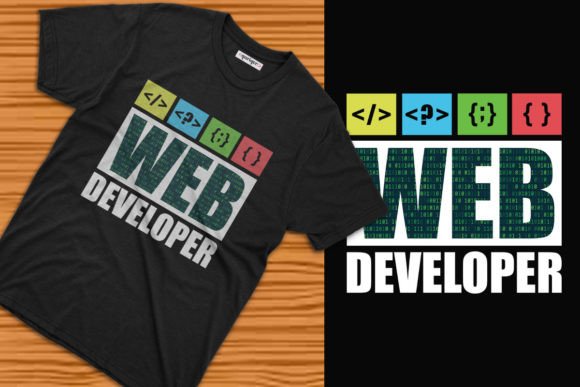
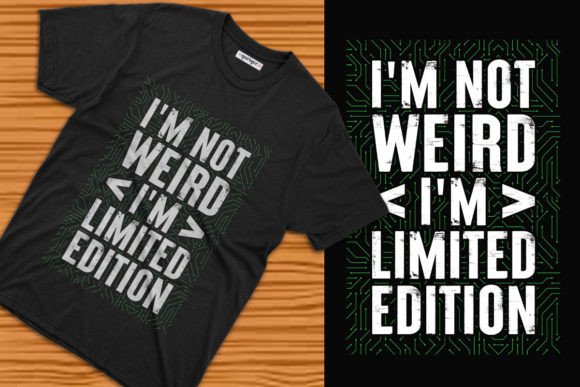
When I opened Web Developer Tee Design Template for the first time, my eye went straight to the balance—tight kerning, confident weight distribution, and just enough playful tech flair (think subtle brackets or a clean monospace nod) without tipping into gimmick territory. It’s not “cute coder” or “nerdy gag.” It’s quietly confident typography that reads as professional, approachable, and handmade—not mass-printed. As an embroidery designer who’s stitched everything from baby onesies to boutique aprons, I immediately pictured this on a natural linen tea towel for a developer friend’s housewarming gift. The layout breathes well, with generous negative space around letterforms—critical when you’re translating vector lines into satin stitch paths.
Where This Design Truly Shines in Embroidery
Web Developer Tee Design Template excels where clarity, scalability, and quiet personality matter most. On medium-weight cotton sweatshirts? Yes—especially centered on the chest or left sleeve. On structured tote bags made from canvas or duck cloth? Absolutely. The letterforms hold their shape without excessive fill stitch density, so it won’t pucker or overwhelm the fabric. I recently tested a similar typographic concept on a chambray apron for a local coding bootcamp’s staff gift—and the result felt intentional, not slapped on. That same energy lives in this template.
It also works beautifully for small-batch personalized gifts: embroidered patches sewn onto denim jackets, minimalist pillow covers for a home office, or even nursery decor (a soft grey onesie with this design in muted sage thread reads like thoughtful branding, not a joke). For Etsy sellers and small shop owners, this is a smart “bridge design”—it appeals to tech-adjacent buyers who value craftsmanship over cliché, and it photographs cleanly in printable mockups for your listings.
Real Fabric Realities: Where Caution Is Needed
Embroidery isn’t just about how a design looks on screen—it’s about how it behaves on fabric. With Web Developer Tee Design Template, I’d pause before using it on highly textured fabrics like terry cloth or thick fleece unless you adjust stitch density manually. Dense fill areas (like bold lowercase “g” or “p” counters) can flatten or distort on plush surfaces. Similarly, stretchy knits—think lightweight jersey tees—require extra stabilizer support and possibly reduced stitch count; otherwise, the letterforms may skew under tension.
On dark fabric, contrast becomes non-negotiable. Test thread colors thoroughly: a charcoal grey on black cotton can disappear mid-stitch. And if you’re planning caps or curved surfaces, remember that tight curves compress letter spacing. That elegant “web” ligature might need slight manual spacing adjustment to avoid crowding at the crown seam. Tiny lettering—especially below 0.3 inches tall—won’t resolve cleanly in satin stitch; reserve those sizes for printed mockups, not finished embroidery.
What This Design Says About Your Finished Product
Your choice of embroidery design quietly signals your standards. Web Developer Tee Design Template elevates a simple custom apparel item into something that feels curated—not generic. Customers notice the difference between rushed, pixelated text and well-proportioned, stitch-aware typography. It builds trust: they see attention to detail, which translates to perceived value and professionalism. For craft businesses, that means repeat buyers and word-of-mouth referrals. For holiday or wedding gifts, it adds warmth and specificity—this isn’t “just another shirt,” it’s a reflection of identity, skill, and care.
Practical Notes Every Embroidery Designer Should Run Through
- Always test on scrap fabric first—especially with your exact stabilizer combo and thread brand. Satin stitch behavior varies wildly across thread types.
- Check thread color contrast on both light and dark fabric swatches. What reads clearly on white may vanish on navy.
- Review stitch density. If the design includes dense fill elements, consider simplifying or switching to a lighter fill pattern for delicate items like baby embroidery.
- Confirm hoop size compatibility. Even if the design fits digitally, ensure your machine’s maximum hoop dimension accommodates its full width with breathing room.
- Inspect small details: serifs, terminals, and inner counters. If they’re too fine for your intended fabric weight, they’ll fill in or fray.
- Test in black-and-white mockups—this reveals legibility issues no color can hide.
- Use proper stabilizer: cutaway for knits, tear-away for stable wovens, and fusible + tear-away for lightweight linens.
- Verify licensing before selling finished products or bundling the digital embroidery file with other design assets. Commercial use rights aren’t automatic—even for Graphics labeled “for POD.”
Final Thought: A Thoughtful Tool, Not a Shortcut
Web Developer Tee Design Template isn’t a “plug-and-stitch” solution—it’s a starting point for intentionality. Used well, it supports your voice as a designer, strengthens your craft business, and delivers real value in every embroidered patch, tote bag design, or personalized gift. But like any strong typography-based machine embroidery design, it rewards preparation: testing, tweaking, and understanding how each curve and counter will translate into thread and texture. If you treat it as a collaborator—not just a graphic—you’ll find it earns its place in your T-Shirt Designs library, your Etsy seller toolkit, and your everyday embroidery project rotation.